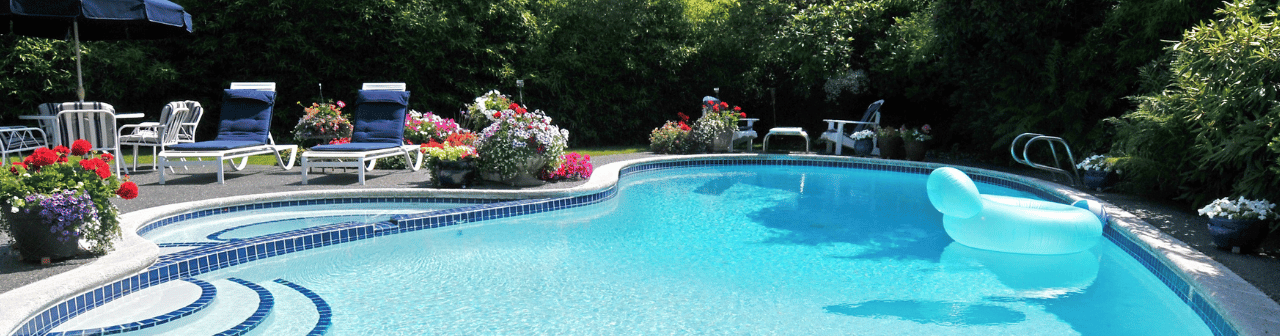
Summer is the season pools sell themselves. The weather turns, the backyard fills up, and a feature that looked like a maintenance chore in February suddenly looks like the best room in the house. It is also the season more homeowners start seriously weighing whether to add one, especially now that so many people are choosing to renovate and stay rather than move. If you are asking whether a pool adds value to your home, the honest answer is that it depends far more on who is buying and what surrounds your house than on the pool itself. Roughly half of buyers do not want a pool at all, and understanding why is the key to making a smart decision.
A Pool Splits the Buyer Pool in Two
The first thing to understand is that a pool does not appeal to the average buyer. It appeals strongly to some and actively repels others, and those two groups rarely overlap. One buyer sees summers spent at home, kids who never want to leave, and a backyard built for entertaining. The next buyer sees a safety risk, an ongoing expense, and a yard they cannot use for anything else. Both are looking at the same pool. They are simply weighing it against completely different priorities.
The buyers who walk away do so for reasons that have nothing to do with how nice the pool is. Parents of young children worry about drowning risk and the constant vigilance a pool demands. Older buyers and empty nesters often do not want the upkeep. Some buyers want the yard for a garden, a play set, or a dog, and a pool takes that space off the table. Others run the annual cost in their head, between maintenance, utilities, and insurance, and decide it is not worth it. None of these buyers can be talked into wanting a pool. They have removed your home from their list before they reach the front door.
That is the real tradeoff a pool creates, and it is easy to miss when you only picture the buyers who love it. A pool can make your home the clear favorite for the buyers who want one while quietly shrinking the total number of buyers who will consider it at all. In a hot market with plenty of demand, a smaller buyer pool may not matter. In a slower market, it can mean fewer offers and more time on the market. The feature that thrills one buyer is the reason another never calls.
What Appraisers Look For: How Your Pool Compares to the Neighborhood
The financial side of a pool comes down to one principle that surprises most homeowners. An appraiser does not assign a pool some fixed dollar amount pulled from a national table. Value originates in the comparable sales grid, which means the appraiser looks at recent sales of similar homes nearby and adjusts for the differences between them and yours. A pool is worth whatever the local market has recently paid for one, and nothing more.
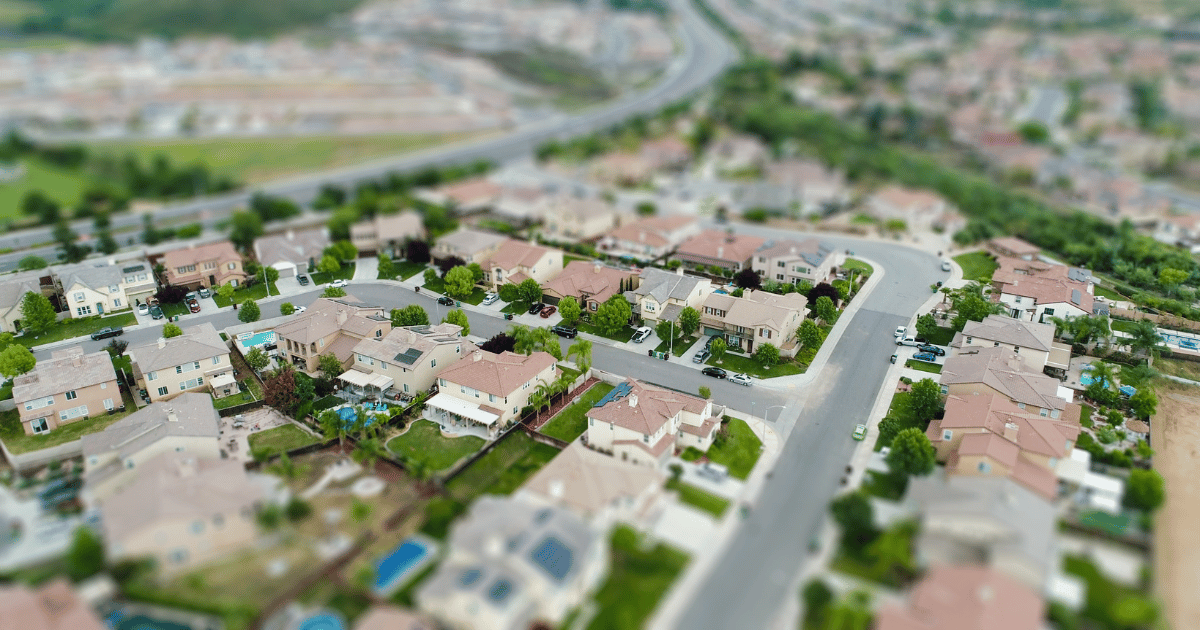
This is why the neighborhood matters more than the pool. If most of the homes around you already have pools and yours does not, that absence can actually count against you, because buyers shopping in that area expect the amenity and may mentally discount a home that lacks it. In that setting, adding a pool can be genuinely meaningful. It brings your home back in line with what comparable properties offer, and the appraiser has recent pool sales to support the value. The pool is not making your home special. It is keeping it from falling behind.
The reverse is just as true. If you are the only house on the block with a pool, there are no comparable pool sales nearby for an appraiser to point to, so the value adjustment stays modest no matter what the pool cost to build. You have spent real money on a feature the local market has no established price for. The same pool can be a smart move in one neighborhood and a poor one a few streets away, purely because of what the surrounding homes already have.
How the pool is built changes the calculation too. Inground pools, especially concrete and fiberglass, are considered part of the real property and can appraise into the home's value. Above-ground pools are usually treated as personal property, closer to a piece of equipment than a permanent improvement, and most appraisers credit them with little or no resale value. If added value is your goal, the type of pool is not a detail. It is the whole question. For a fuller picture of how this works, it helps to understand how home value is actually determined before you assume a pool will lift your price.
The Costs the Skeptical Half of Buyers Already Know
The buyers who do not want a pool are not being irrational. They are accounting for costs that pool owners live with year-round, and any honest look at value has to include them. Routine maintenance, chemicals, cleaning, and professional service typically run $1,000 to $2,500 a year. Running the pump, filter, and any heating adds another $800 to $2,500. Homeowners insurance usually rises because a pool increases liability exposure, and a pool that lifts your assessed value can also raise your property tax bill.
Those expenses stack into a real annual number, commonly somewhere between $2,000 and $5,000 before any major repair, and they continue every year you own the home. They do not include resurfacing a concrete pool, which comes due roughly every ten years and can run $10,000 or more. A buyer who hesitates at a pool is often just doing this math faster than the seller expects. Condition feeds directly into it as well. A clean, well-maintained pool with current safety features such as fencing, a cover, and an alarm reassures buyers, while a neglected or aging pool can subtract value and surface as a problem during the inspection, where a cracked surface or failing equipment becomes a negotiating point against you.
If You Are Thinking About Adding a Pool
More homeowners are renovating rather than moving, and with summer arriving, a pool is near the top of many of those wish lists. If you are in that group, the most useful thing you can do is separate the two reasons people build a pool. One is lifestyle. The other is resale value. They lead to very different decisions, and conflating them is where people get into trouble.
If you are building for the years you will spend using it, a pool can be entirely worth it, as long as you go in understanding that resale will likely return only part of what you spend. National figures generally show pools recovering somewhere in the range of 40 to 60 percent of installation cost at resale, which means a pool is rarely a sound financial investment on its own. If you are building mainly to raise your home's value, the honest guidance is to look hard at your neighborhood first. If comparable homes around you have pools, the case is reasonable. If they do not, you are unlikely to recover the cost, and the money may do more for your home elsewhere. Some of the highest-return home improvements have nothing to do with a pool.
How you pay for it deserves the same clear thinking. Many homeowners who choose to stay and renovate fund larger projects by tapping the equity they have already built, rather than draining savings or sacrificing a low existing mortgage rate. A home equity loan lets you borrow against your home's value while leaving your first mortgage untouched, which is often the more efficient route for a project of this size. CapCenter offers home equity loans with zero closing costs, which removes thousands in upfront fees that would otherwise eat into the project budget before the first shovel hits the ground. If you are deciding how to finance the work, it is worth understanding the difference between a home equity loan and a cash-out refinance so the financing fits the plan.
If You Are Selling a Home That Already Has One
A pool changes how you market a home, but it does not change the rule that the market sets the price. The common mistake is assuming the pool entitles you to recover what it cost. Buyers do not price your installation invoice. They price your home against comparable sales, and your pool is worth what similar pool homes nearby recently sold for.
The practical move is to understand your local comparable sales before you set a price, and to lean on an agent who can pull pool-specific data rather than guessing. In a neighborhood where pools are common, your pool helps you stay competitive and can shorten your time on the market. In an area where they are rare, you may need to price the pool as a neutral feature and let the buyer who wants it find you. The right summer timing helps here too, since this is the season the pool shows at its best and the buyers who want one are actively looking.
The Bottom Line
A pool is one of the few home features that buyers react to before they think, and they split almost evenly on it. About half see the lifestyle and want it. The other half see the cost and the upkeep and walk away. That divide, more than any national average, is what determines whether a pool helps or hurts your sale.
The clearest way to think about it is this. Build a pool for the years you will enjoy it, not for the resale value, and check what your neighborhood's homes already have before you spend. A pool adds the most when it matches the houses around it and the least when it makes yours the exception. If you are weighing the move either way, start with a grounded estimate of your home's value, think through how you would finance the work, and make the decision on real numbers rather than a summer afternoon.